

Commentary
Armenak Tokmajyan

Armenak Tokmajyan

Issam Kayssi

Michael Young
Camille Ammoun
Ilyssa Yahmi
Musaed Aklan , Mohammad Al-Saidi
About the Center
The Malcolm H. Kerr Carnegie Middle East Center draws on regional experts to provide in-depth analysis of political, socioeconomic, and security issues in the Middle East and North Africa. Founded in 2006, the Beirut-based center delivers on-the-ground research of the region’s challenges, examines long-term geopolitical trends, and proposes innovative policy options. As freedom of expression has become increasingly restricted in the wider Middle East, the center also creates a space for people across the region to convene and share diverse perspectives. The center works closely with the Middle East Program headquartered in Washington, DC.
Trending Topics and Regions
Climate change does not occur in isolation. Across the Middle East and North Africa, climate stress interacts with economic fragility, governance failures, social marginalization, and conflict. This dynamic constitutes a convergence trap, or a condition in which interlocking crises reinforce one another in ways that steadily diminish people’s options when it comes to adapting locally, moving safely, or remaining in place with dignity
Source: iStock
Our scholars generate strategic ideas and independent analysis to help inform countries, institutions, and leaders as they take on the most difficult global problems.



Maha Yahya, Rosa Balfour, Judy Dempsey, …
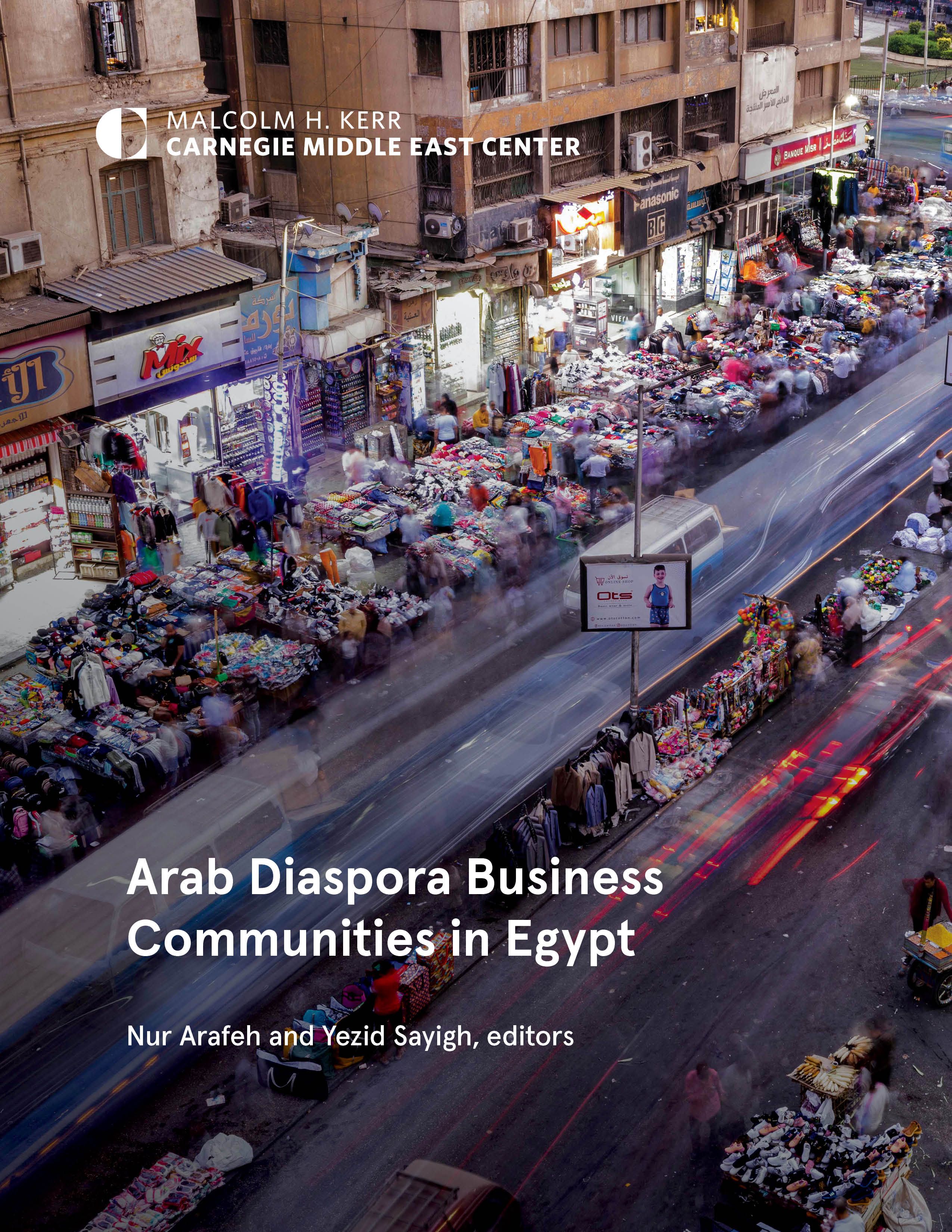

Nur Arafeh, Yezid Sayigh, Qaboul al-Absi, …
Lebanon is facing a series of simultaneous financial, economic, and political shocks. The country stands at a critical juncture, as hundreds of thousands of Lebanese have fallen under the poverty line in recent months. The protest movement that began in October 2019, following the previous government’s decision to raise taxes, is regaining momentum in spite of the lockdown from the coronavirus pandemic. The Carnegie Middle East Center will offer analyses of the multiple crises afflicting Lebanon, explaining their causes, characteristics, consequences, and potential solutions.
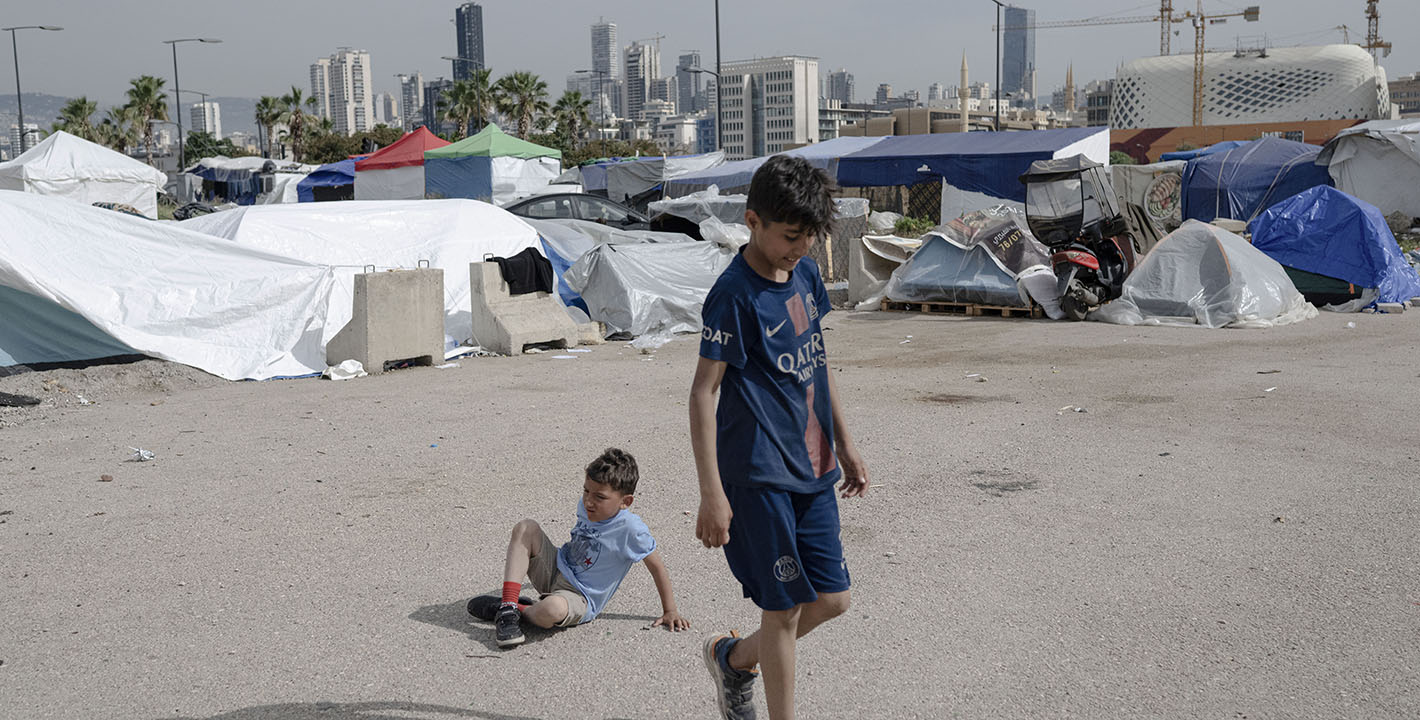
Israel is encroaching on the country’s territory, while the Lebanese look askance at one another.
Issam Kayssi
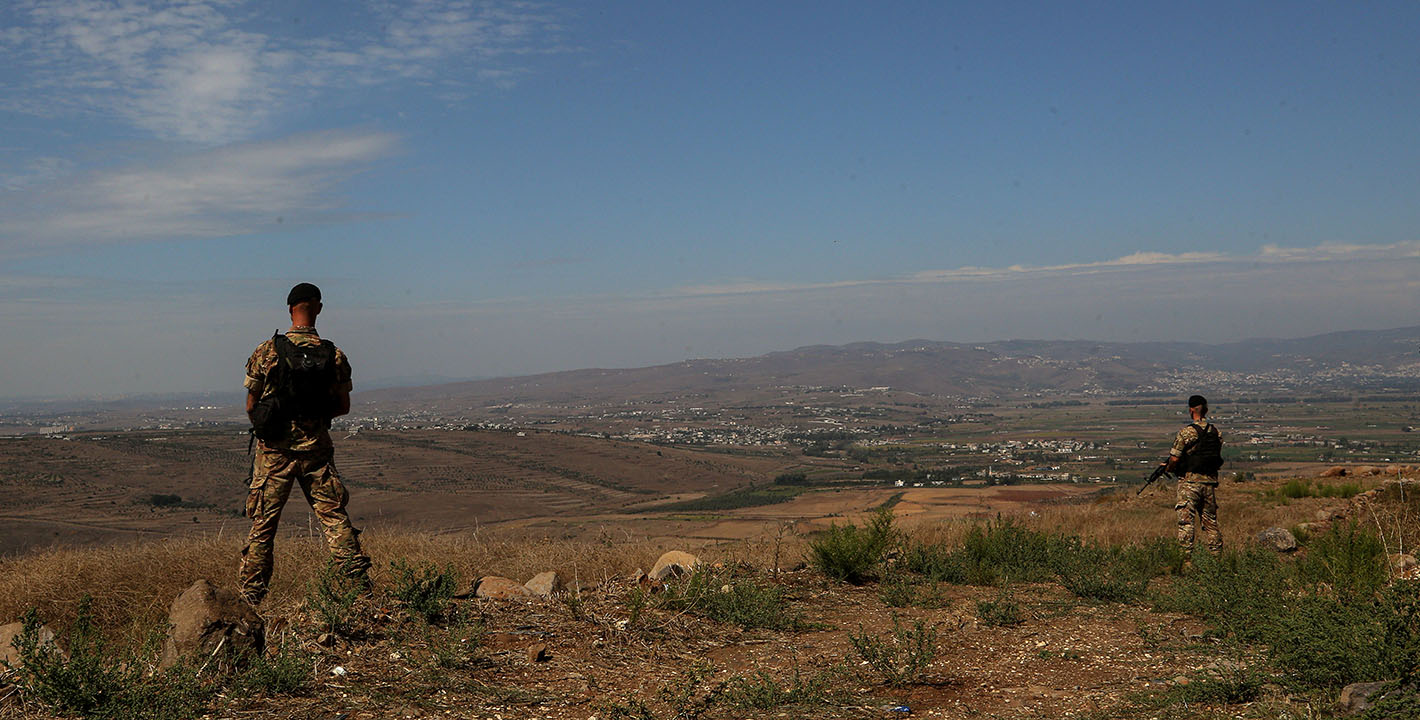
The Lebanese authorities’ clampdown on illicit cross-border activity threatens to leave inhabitants of the historically neglected village, and the wider Akkar region, in an economically precarious position.

Mohanad Hage Ali
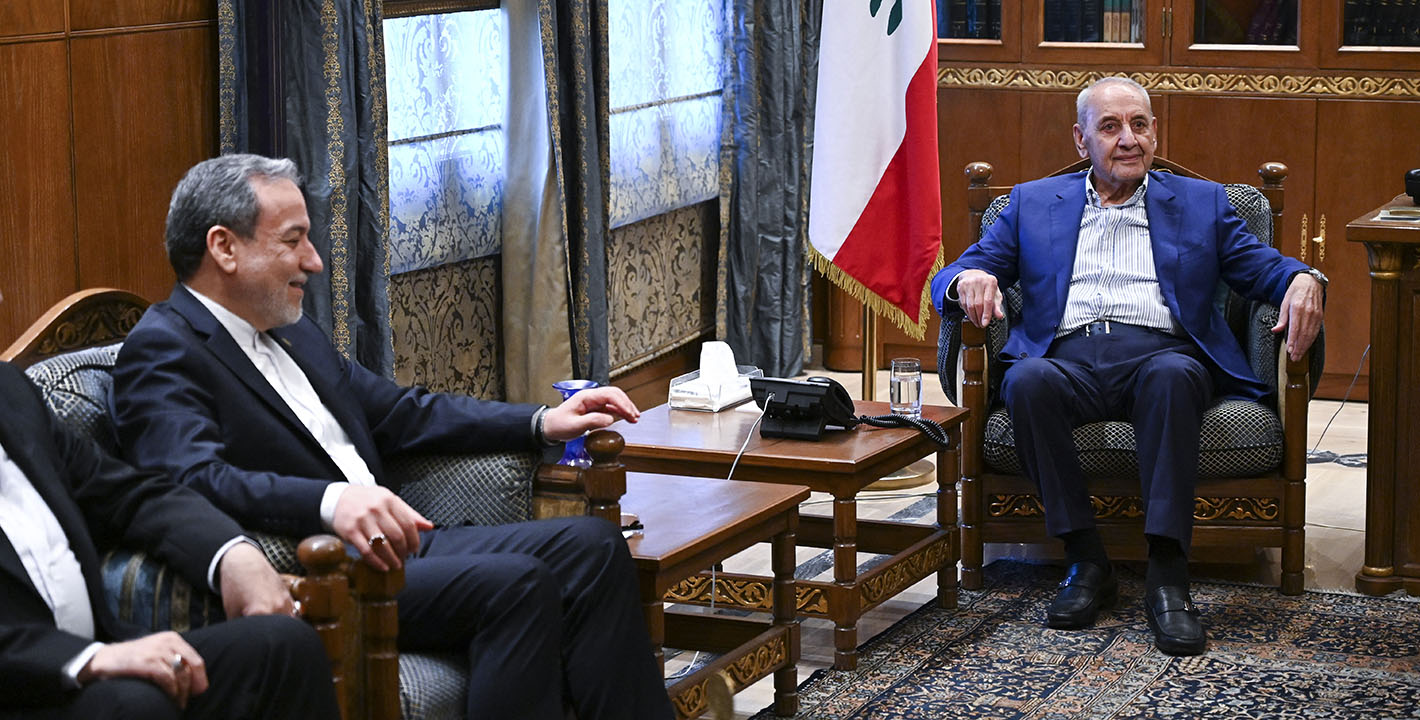
A prerequisite of serious talks is that the country’s leadership consolidates majority national support for such a process.
Michael Young

Diwan, a blog from the Carnegie Endowment for International Peace’s Middle East Program and the Malcolm H. Kerr Carnegie Middle East Center, draws on Carnegie scholars to provide insight into and analysis of the region.
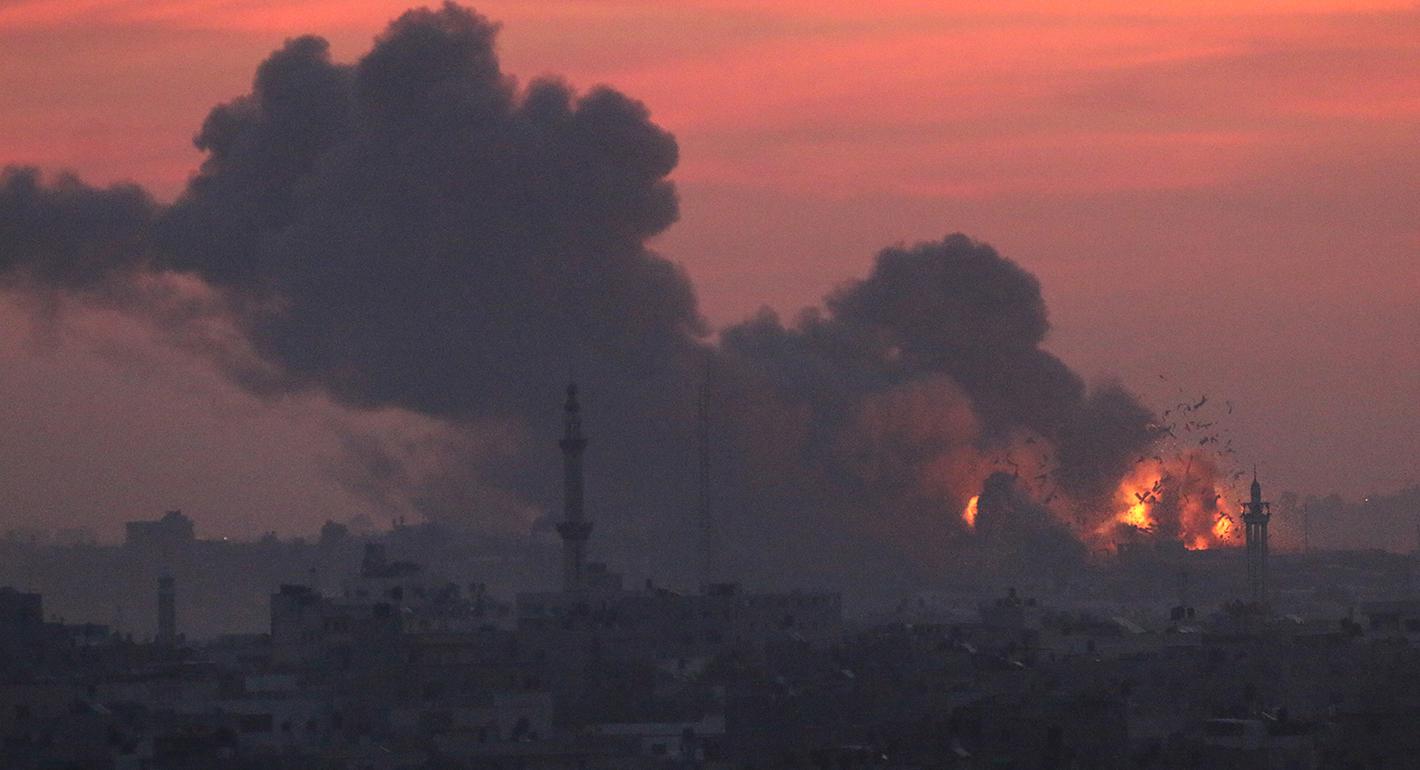
The conflict in Gaza shows no signs of ending, with possibly significant repercussions not only for Palestine but also for the broader Middle East. Carnegie scholars explore the continuing conflict.
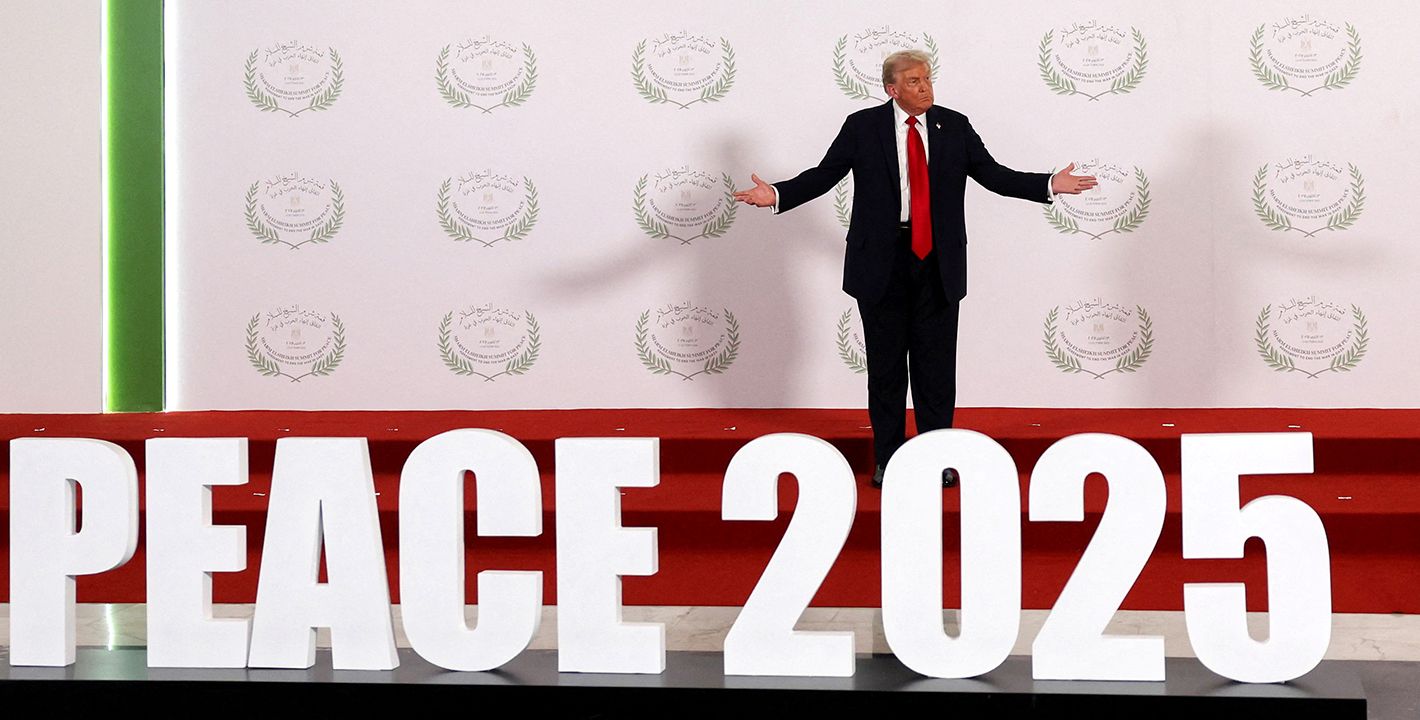
The ceremonies surrounding the apparent end of the Gaza war only concealed that very little was resolved.
Michael Young
Maha Yahya, Yezid Sayigh, Zaha Hassan, …
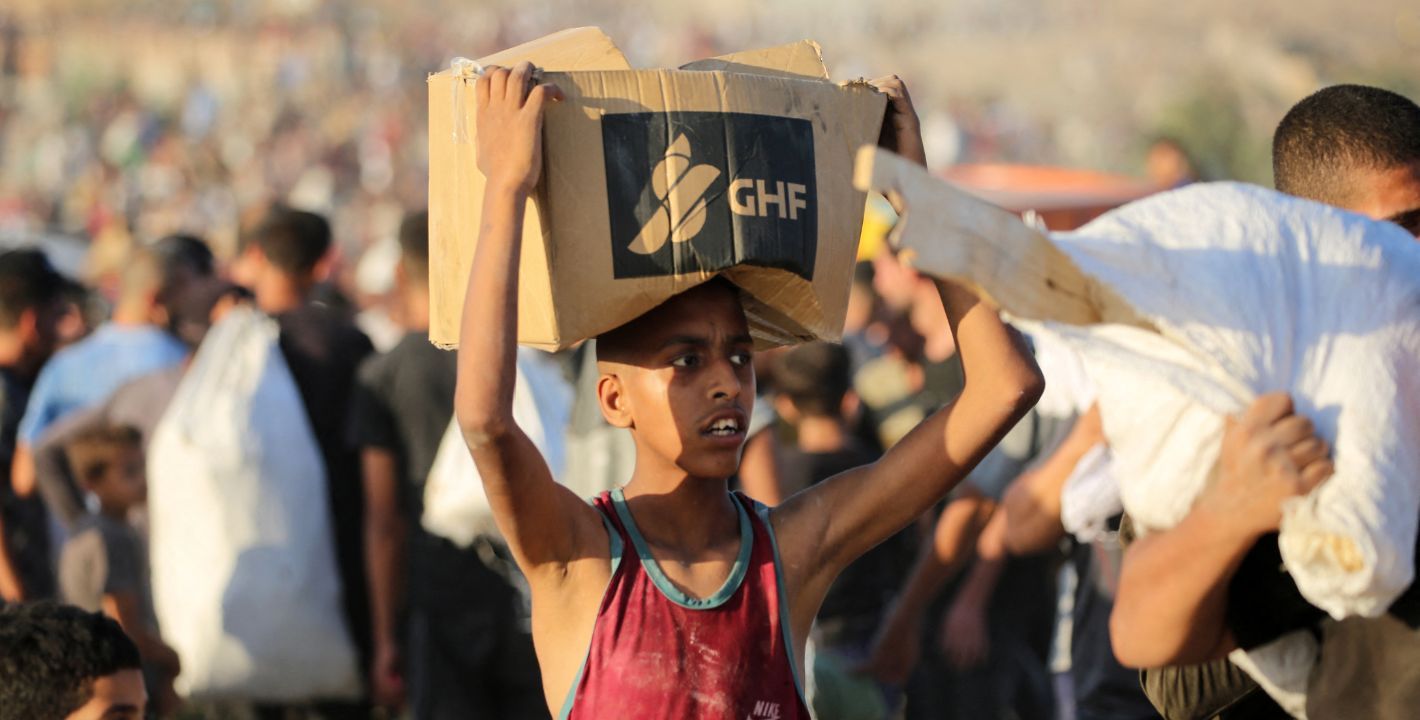
Several consulting and equity firms and non-profits were in on the Gaza aid plan, but they never should have been.
Yara Ibrahim
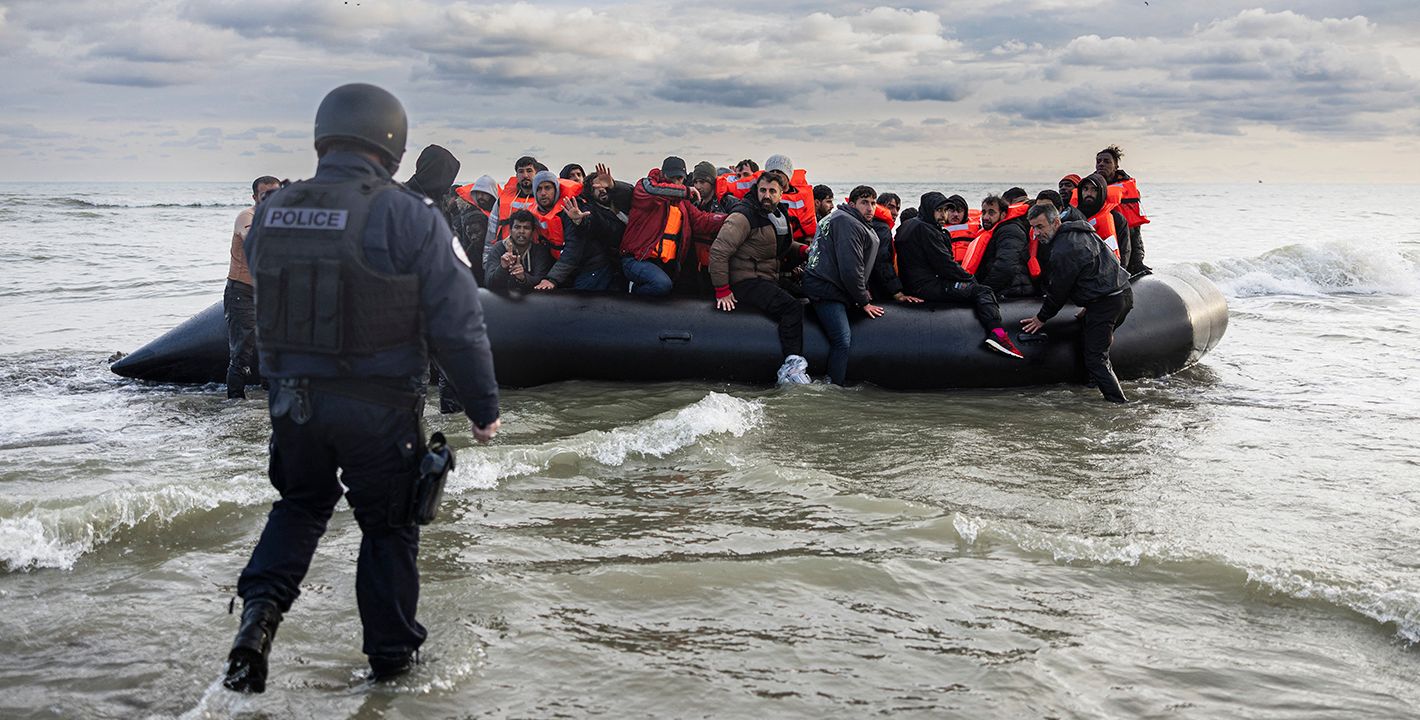
The EU has responded to unwanted arrivals with ever-stricter security measures, an approach that has both led to increased human rights violations and failed to stem the migratory tide.

Yasmine Zarhloule
In Asia, the Middle East, and Africa, conflict and instability endure in contested border regions where local tensions connect with regional and global dynamics. The Asia Foundation, the Rift Valley Institute, and the Carnegie Middle East Center are working together to better understand the causes and impacts of conflict in these border areas and their international dimensions, support more effective policymaking and development programming, and build the capacity of their local partners to leverage research to advocate for peaceful change.
After 54 years of Assad family rule, Syria has entered a new chapter in its history with the downfall of Bashar al-Assad’s regime. Fifteen years after the Syrian uprising which began in March 2011, the collapse of the regime has had a profound impact on regional and international geopolitical dynamics. Building on years of research and analysis, Carnegie scholars provide a detailed exploration of Syria’s transition, with particular focus on politics, security, and the economy. Our work also explores how the country navigates its complex ethnic and sectarian landscape and adapts to shifts in the regional balance of power.
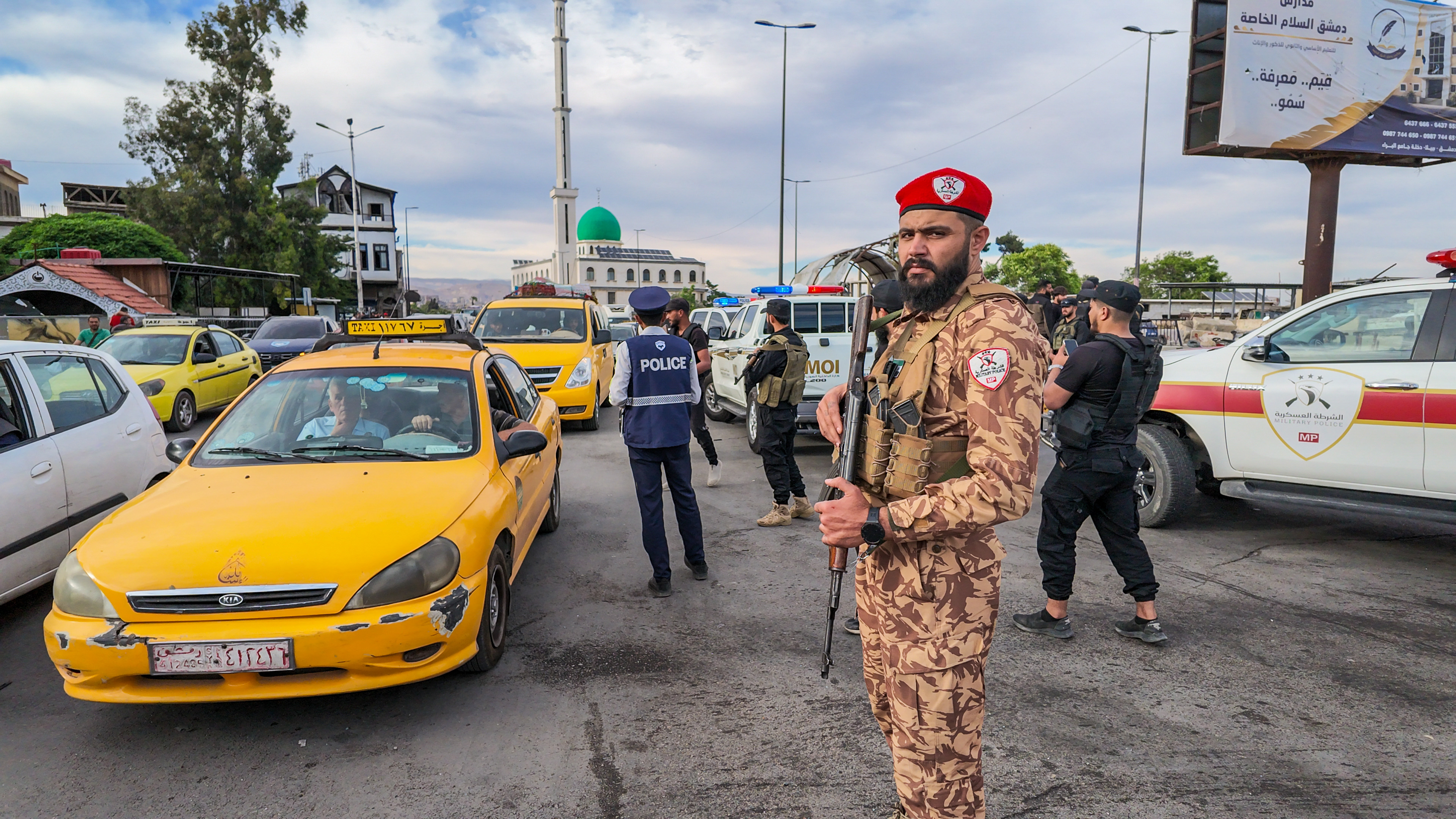
The country’s armed forces have been reorganized as an emergency measure to prevent national fragmentation, however their diffuse structure on the ground may, in the future, serve only to reinforce fragmentation.

Kheder Khaddour
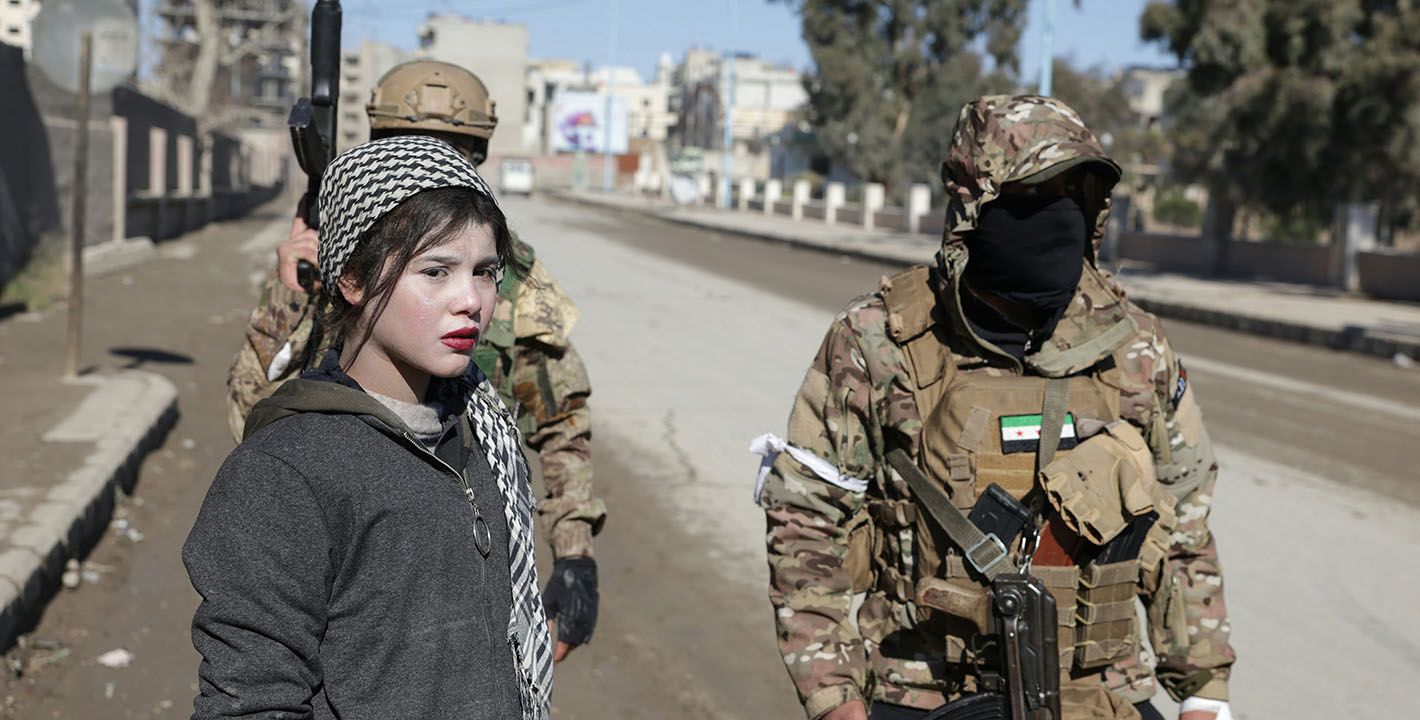
The government’s gains in the northwest will have an echo nationally, but will they alter Israeli calculations?
Armenak Tokmajyan
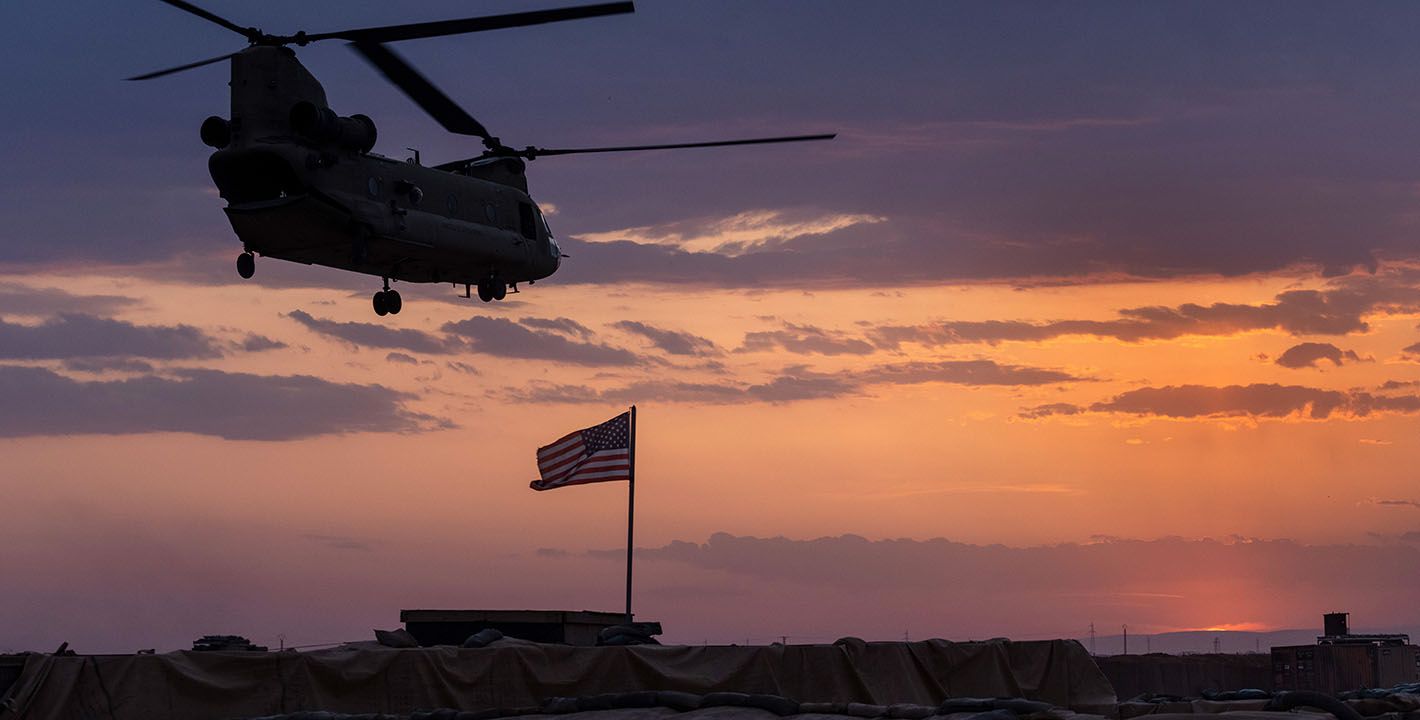
As Washington reduces its presence in the country, the success of its withdrawal and continued containment of the Islamic State will hinge on adopting an approach of flexible oversight built around three priorities, as well as balancing Turkish and Israeli red lines.
Kheder Khaddour, Issam Kayssi
Carnegie has a global network of more than 200 experts from diverse disciplines and perspectives who work together across borders to expand cooperation and understanding.
Director, Malcolm H. Kerr Carnegie Middle East Center
Senior Fellow, Malcolm H. Kerr Carnegie Middle East Center
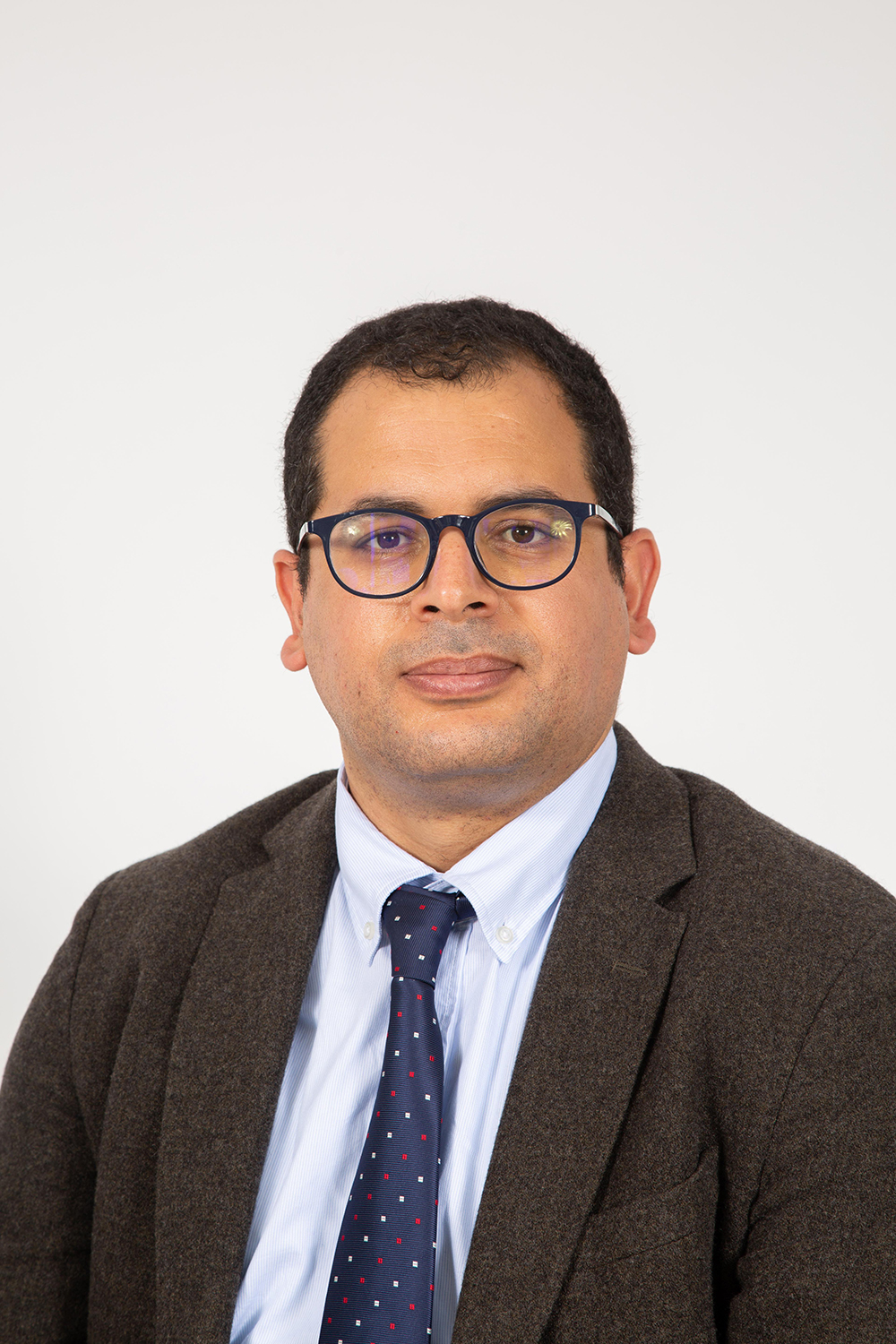
Fellow, Malcolm H. Kerr Carnegie Middle East Center